Expert Hydraulic Cylinder Rod Manufacturer: Precision Steel Bar for Hydraulic Systems
Engineered for high-pressure performance and zero-leakage durability. From raw precision cold-drawn steel bars to finished hard chrome plated piston rods, YaDa delivers the ultimate foundation for excavators, heavy machinery, and industrial hydraulics.
CK45 / 1045 / 4140 hard chrome plated rods for hydraulic cylinder OEMs
-
Ra 0.2 - 0.4 µm Finish Mirror surface helps reduce seal wear and leakage risk.
-
ISO f7 / h7 Tolerance Precision diameter control for stable hydraulic motion.
-
Built for Heavy Loads Chrome plated rod options for excavators and construction machinery.
Mirror-like hard chrome plated piston rods engineered for excavators, heavy machinery and industrial hydraulic systems.
Solving the Toughest Challenges in Hydraulic Cylinder Manufacturing
A hydraulic cylinder is only as reliable as its piston rod. At YaDa, we understand that dimensional instability leads to seal wear, and poor plating leads to corrosion. As an integrated hydraulic cylinder rod manufacturer, we engineer precision steel bars and hard chrome plated rods to overcome the most common failure points in hydraulic systems.
Zero Seal Damage for Hydraulic Cylinder Rods
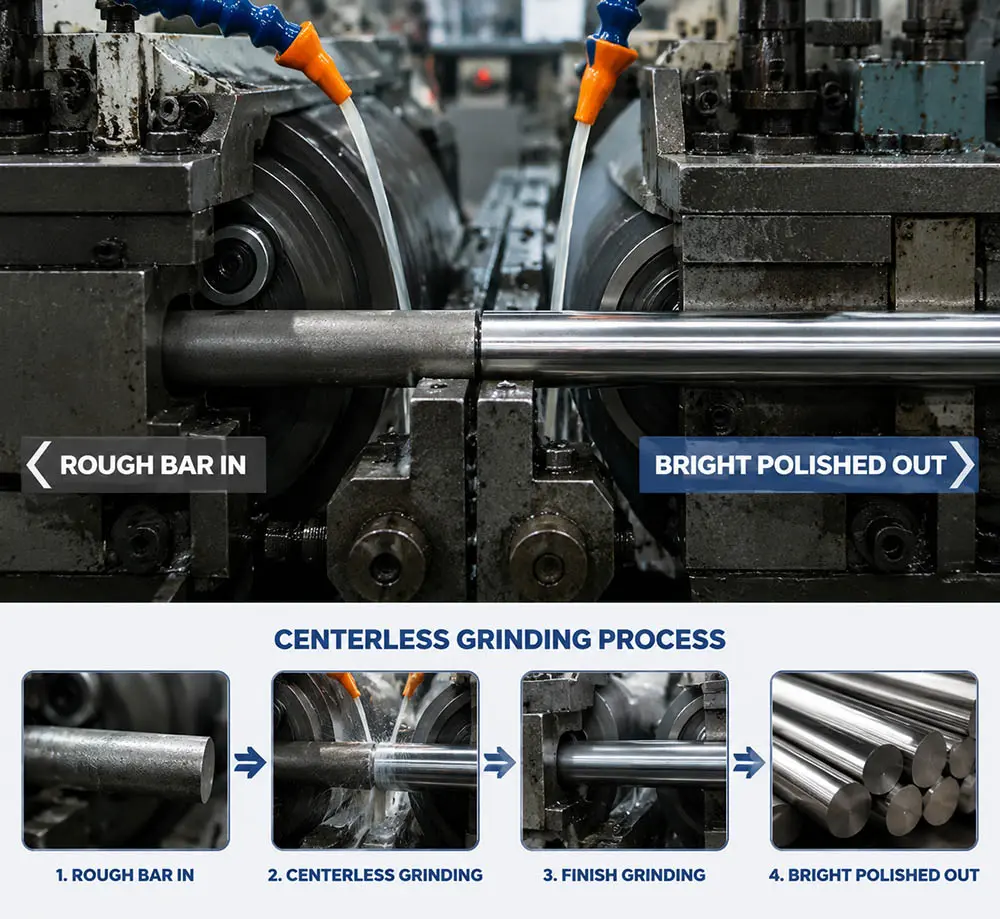
Centerless grinding and polishing achieve a mirror-like finish Ra 0.2 - 0.4 µm, minimizing friction, reducing seal wear, and maximizing polyurethane seal lifespan in continuous reciprocating motion.
High Yield Strength Steel Bar Against Bending
In-house Q&T Quenching and Tempering improves core strength so hydraulic piston rods can withstand extreme dynamic loads, impact stress, and high-pressure operation without bending or permanent deformation.
Micro-Cracked Hard Chrome Plated Rod for Corrosion Resistance
Advanced electroplating provides a hard, highly bonded chrome layer. YaDa chrome plated rods can be specified to pass strict 120-500 hours neutral salt spray NSS tests for mining, marine, and construction machinery environments.
Need a Hydraulic Rod That Reduces Leakage, Bending and Chrome Peeling?
Send your required diameter, material grade, tolerance, chrome thickness, surface roughness and application pressure. YaDa will evaluate the suitable precision steel bar for hydraulic systems and provide a practical manufacturing quotation.
Discuss Your Hydraulic Rod Specs
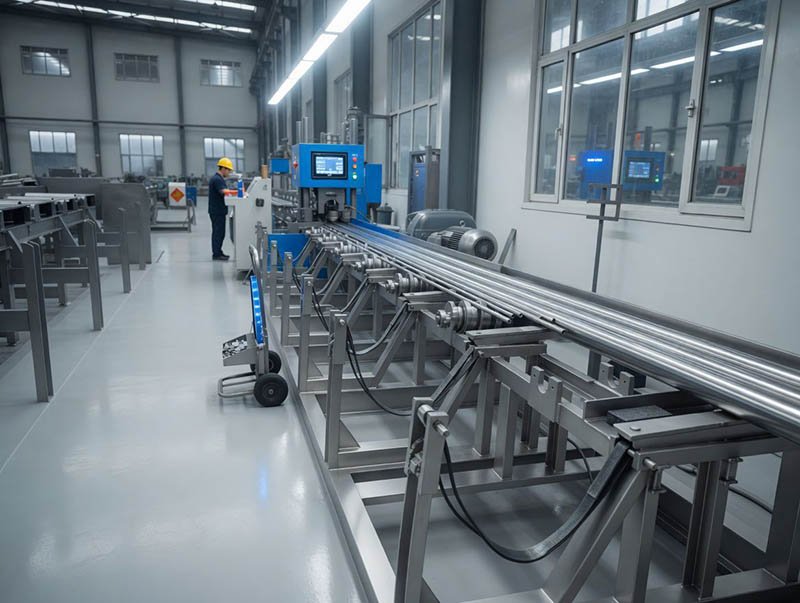
Premium Steel Bars & Finished Rods for Hydraulic Systems
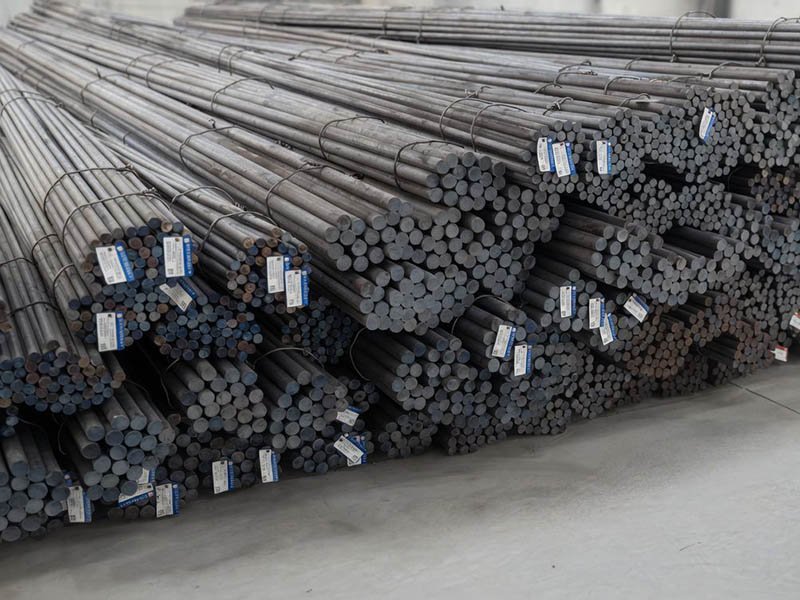
YaDa supplies precision steel bar for hydraulic systems from raw cold drawn bar to finished chrome plated hydraulic cylinder rod. Our product range supports cylinder OEMs, heavy equipment repair manufacturers, excavator component producers, and industrial hydraulic system builders who require stable tolerance, surface finish, and mechanical strength.
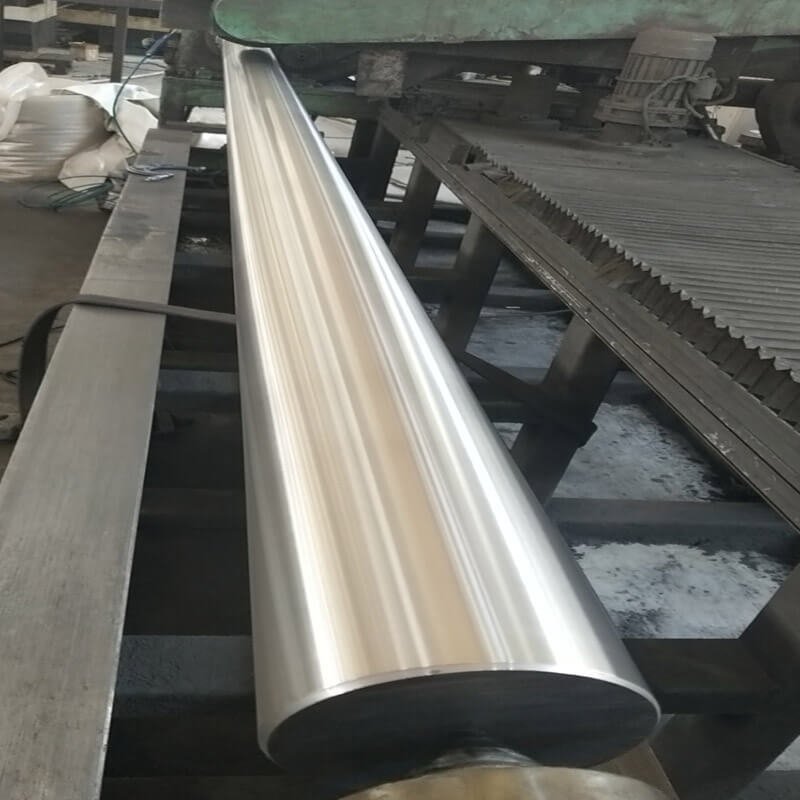
Hard Chrome Plated Piston Rods (CK45/1045)
The industry standard for general hydraulic cylinders, agricultural machinery, and lifting equipment. Features excellent machinability and a highly uniform continuous hard chrome layer (20-30 microns) for lasting corrosion resistance.
- CK45 / 1045
- 20-30 µm Chrome
- General Cylinders
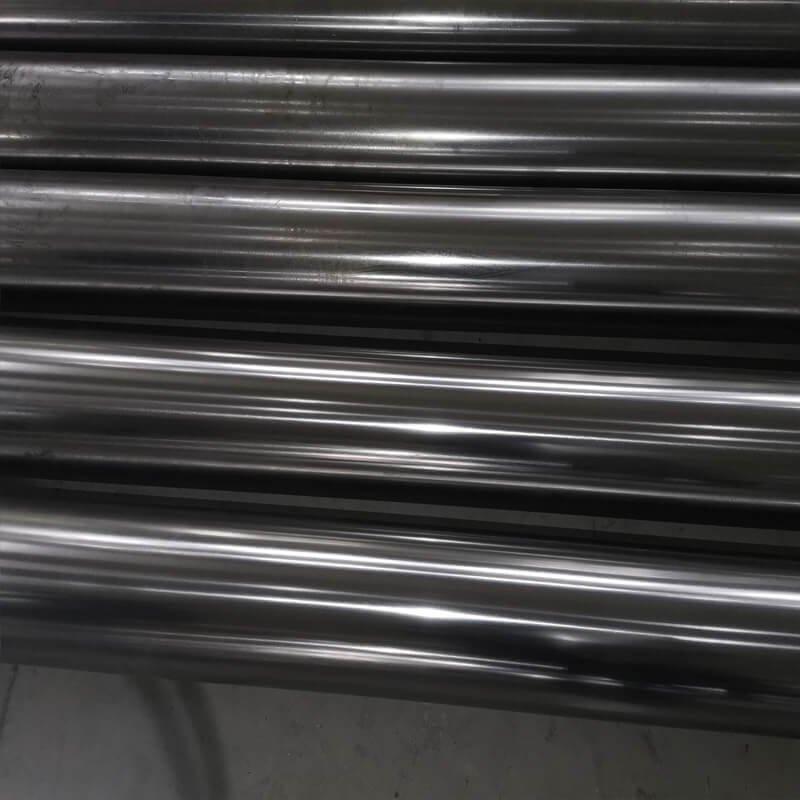
Induction Hardened Chrome Rods (4140/4340)
Designed specifically for excavators, mining dump trucks, and heavy-duty machinery. The induction hardened surface (HRC 55-60) provides extreme resistance to impact from rocks, dirt, and heavy external wear.
- 4140 / 4340
- HRC 55-60
- Heavy Equipment
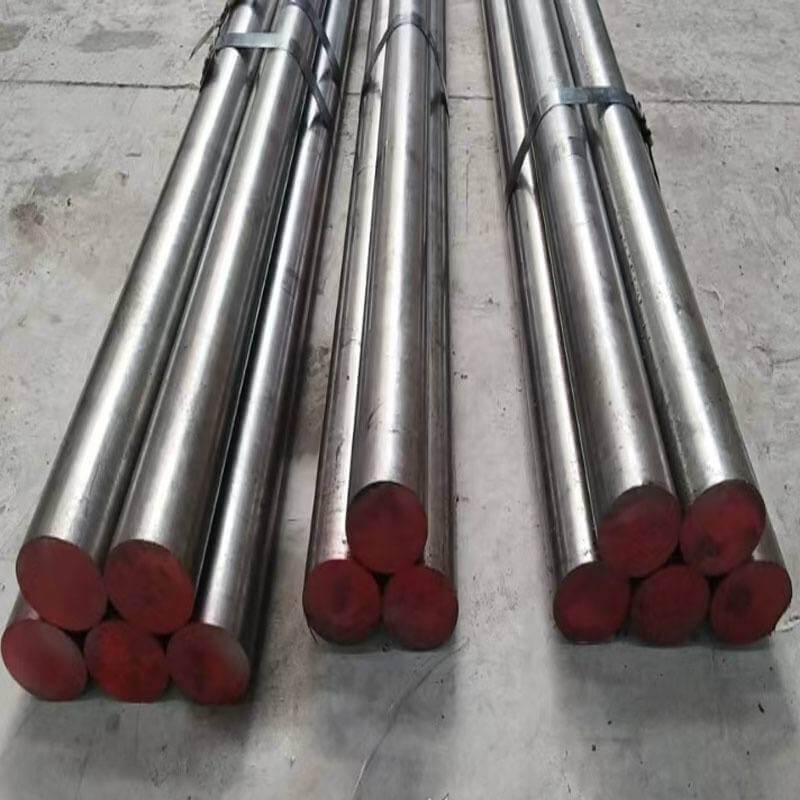
Cold Drawn Steel Bar for Hydraulic Tie Rods
Supplying ultra-straight, high-strength plain cold drawn steel bars for hydraulic cylinder tie rods (the bolts holding the end caps), guaranteeing high tensile stability under pressure.
- High Straightness
- Tensile Stability
- Tie Rod Bars
Custom Machined Hydraulic Cylinder Components
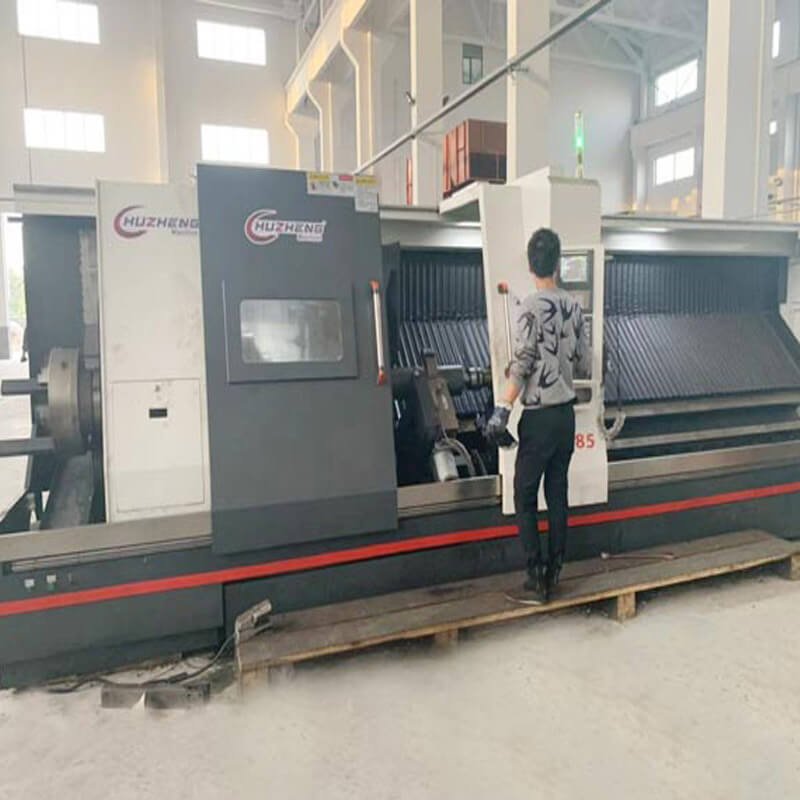
Beyond standard lengths, YaDa provides comprehensive CNC machining. We deliver ready-to-assemble hydraulic rods complete with threaded ends, pin holes, and milled flats based on your OEM drawings.
- CNC Machining
- OEM Drawings
- Ready to Assemble
Technical Specifications for Hydraulic Steel Bars
For hydraulic cylinder manufacturers, material selection is not only about diameter and price. Surface roughness, ISO f7 or h7 tolerance, chrome layer hardness and straightness directly affect seal life, oil leakage risk and cylinder stability under high pressure.
| Technical Item | YaDa Standard Capability | Hydraulic System Benefit |
|---|---|---|
| Materials | High-grade CK45, 1045, 4140, 4340, 42CrMo4, 20MnV6 | Suitable for general hydraulic cylinders, excavators, construction machinery, heavy-duty equipment and industrial hydraulic systems. |
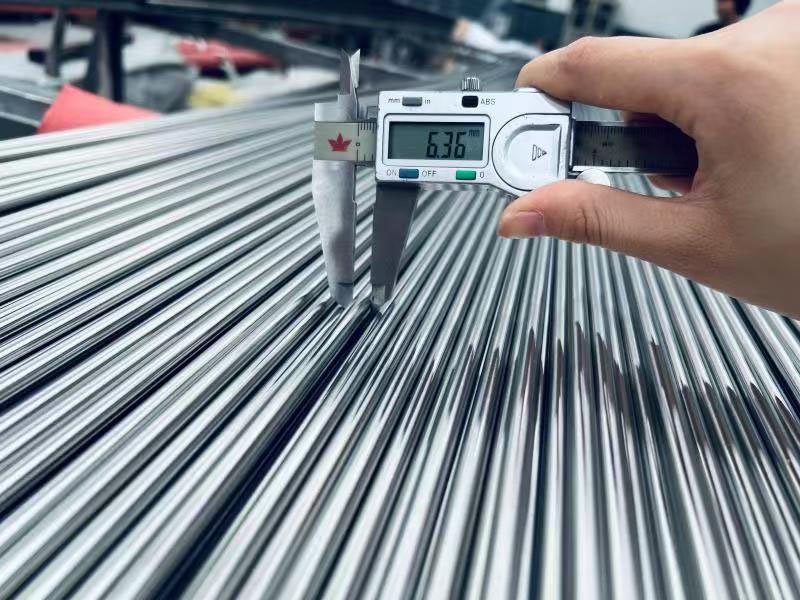
| Diameter Range | Ø 6mm to Ø 250mm Customizable | Covers small hydraulic actuators, standard piston rods and large-diameter chrome plated rod for heavy machinery. |
| Diameter Tolerance | Strictly ISO f7 or h7 | Reduces guide ring play, improves sliding fit and supports stable reciprocating movement in hydraulic cylinders. |
| Surface Roughness (Ra) | ≤ 0.2 - 0.4 µm Mirror Finish | Helps protect seals, reduce friction and lower the risk of premature oil leakage in high-pressure hydraulic systems. |
| Hard Chrome Thickness | 20 µm minimum / customizable up to 50 µm | Provides wear resistance and corrosion protection for chrome plated hydraulic cylinder rods used in harsh environments. |
| Surface Hardness | Chrome layer: minimum 850 HV | Improves resistance against scratches, abrasive particles and external surface damage during cylinder operation. |
| Straightness | ≤ 0.2 mm / meter | Supports smooth cylinder movement, reduces eccentric load and helps prevent uneven seal wear. |
Engineering note: The listed values are common YaDa production capabilities for hydraulic steel bars and chrome plated piston rods. Final specifications should be confirmed according to working pressure, cylinder structure, sealing system, corrosion environment and OEM drawings.
From Raw Steel to Plated Rod: 100% In-House Manufacturing
Many suppliers only buy cold-drawn bars and outsource the grinding and plating. YaDa is a true integrated Hydraulic Cylinder Rod Manufacturer, controlling each critical process from raw steel preparation to hard chrome plated piston rod finishing. This helps hydraulic cylinder OEMs reduce leakage risk, improve dimensional stability, and keep batch quality consistent.
-
01
Peeling & Cold Drawing
Surface scale and raw material defects are removed before controlled cold drawing. The process improves mechanical properties and prepares a stable steel bar core for hydraulic cylinder rod production.
-
02
High-Precision Centerless Grinding
Centerless grinding controls roundness, straightness and diameter accuracy. YaDa focuses on stable f7 tolerance and consistent geometry to reduce seal wear and guide ring play.
-
03
Induction Hardening
Optional induction hardening is available for heavy impact resistance. It is recommended for chrome plated rods used in excavators, mining machinery and high-pressure hydraulic systems.
-
04
Hard Chrome Plating & Polishing
The final mirror armor is created through hard chrome plating and precision polishing, helping achieve low surface roughness, corrosion resistance and long seal service life.
Strict Quality Control to Prevent Catastrophic Cylinder Failures
For every chrome plated rod for hydraulic cylinder, failure is rarely “minor” — corrosion, thin chrome deposition, internal cracks, or unstable surface quality can cause seal damage, leakage, downtime, and warranty claims. YaDa combines in-house inspection with batch-level testing to verify the critical performance of precision steel bar for hydraulic systems before shipment.
Neutral Salt Spray Test for Chrome Plated Rod Corrosion Resistance
NSS testing verifies the anti-corrosion performance of hard chrome plated piston rods, helping hydraulic cylinder manufacturers reduce premature rusting in marine, mining, and outdoor construction machinery environments.
- Rating 9/10 minimum target for corrosion resistance verification.
- Common inspection window: 120–500 hours NSS according to order requirements.
- Supports longer service life for hydraulic rods used in excavators and heavy equipment.
Chrome Layer Thickness Tester for Hydraulic Piston Rod Manufacturer Control
Uniform chrome deposition is essential for seal protection, corrosion resistance, and wear performance. YaDa checks chrome layer thickness to prevent weak thin spots that can lead to peeling or early rod failure.
- Standard hard chrome thickness starts from 20 µm, customizable by application.
- Thickness uniformity checks reduce premature corrosion at local low-plating areas.
- Supports stable Ra 0.2–0.4 µm mirror finish after grinding and polishing.
Ultrasonic Flaw Detection for Steel Bar for Hydraulic Cylinder Rod
Hydraulic rods operate under high dynamic loads. Ultrasonic flaw detection helps verify the internal quality of the steel core and reduces the risk of hidden voids, inclusions, or hairline cracks.
- Checks internal continuity before rods enter high-pressure hydraulic service.
- Helps prevent rod breakage, bending risk, and sudden cylinder shutdown.
- Applied to CK45, 1045, 4140, 4340, and other hydraulic steel bar materials.
Need Inspection Data for Your Hydraulic Rod Project?
Send your required diameter, material grade, chrome thickness, tolerance, and working environment. YaDa can recommend suitable testing items for chrome plated hydraulic cylinder rods, induction hardened rods, and precision cold drawn steel bars.
Send Us Your Hydraulic Rod Specs & Blueprints
Stop dealing with premature seal failures and rusting rods. Whether you need standard 6-meter chrome plated bars to machine yourself, or fully machined finished rods ready for assembly—YaDa delivers precision steel bar for hydraulic systems with controlled tolerance, mirror surface finish, and stable hard chrome quality.
- Name & Email Leave your business contact details for technical feedback.
- Product Type Standard chrome rod, induction hardened rod, or hydraulic tie rod bars.
- Diameter & Material Example: Ø50mm, CK45 / 1045 / 4140, f7 tolerance, Ra 0.2 - 0.4 µm.
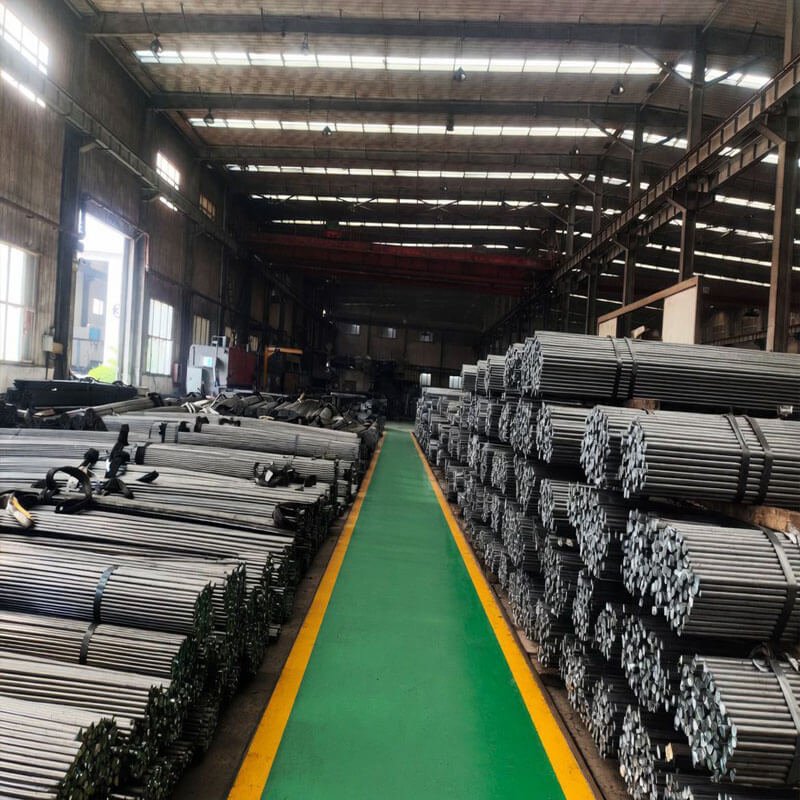
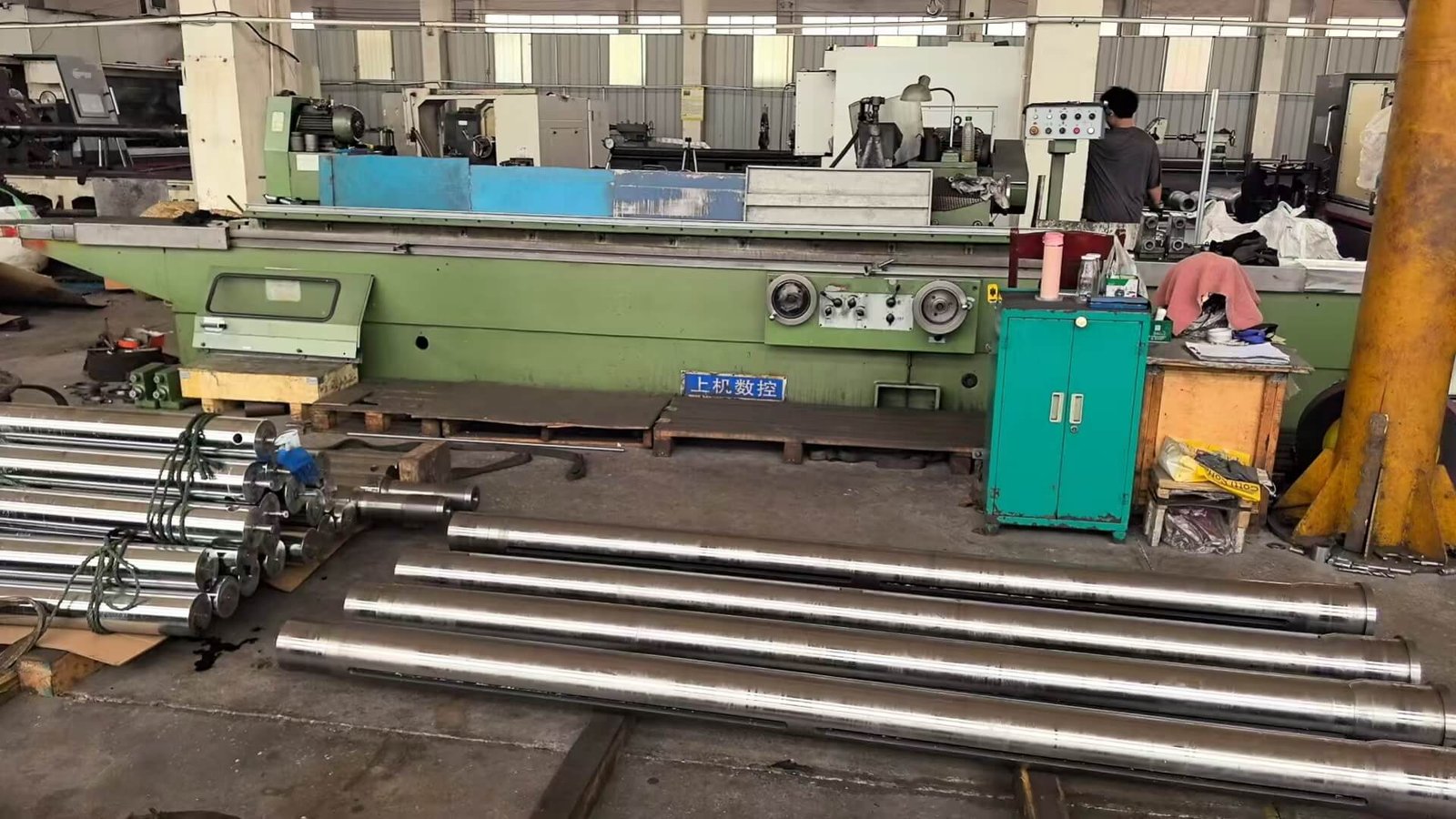
In-house grinding, polishing and finishing capability for precision chrome plated hydraulic cylinder rods.
Frequently Asked Questions from Hydraulic Cylinder Manufacturers
Clear technical answers for buyers comparing chrome plated rod, induction hardened chrome rod, and precision steel bar for hydraulic systems. These FAQs focus on leakage prevention, seal life, tolerance selection, corrosion resistance, and heavy-duty hydraulic performance.
Why use Induction Hardened Chrome Rods instead of standard chrome rods?
Standard 1045 chrome rods are suitable for normal hydraulic environments. However, for excavators, skid steers, mining equipment, and construction machinery where stones, dirt, or external impact may strike the cylinder, a standard chrome rod can dent. Once the surface is dented, the damaged area can cut seals and cause hydraulic oil leakage.
Induction hardening increases the substrate hardness beneath the chrome layer, typically to HRC 55-60, making the rod much more resistant to dents and external impact while maintaining the low-friction chrome surface.
What is the main difference between f7 and h7 tolerance in hydraulic systems?
f7 tolerance provides a slightly tighter sliding fit designed for dynamic applications such as hydraulic piston rods. It helps ensure smooth reciprocating movement while reducing excessive sideways play that may accelerate guide ring wear.
h7 tolerance is commonly used for static or precision shaft fits. For hydraulic cylinder rods, YaDa commonly recommends and supplies ISO f7 when the buyer’s cylinder design requires optimized sealing stability and guide ring performance.
Which surface roughness is recommended for a chrome plated rod for hydraulic cylinder sealing?
For most hydraulic cylinder applications, a mirror-like surface roughness of Ra 0.2 - 0.4 µm is commonly requested. A properly ground and polished surface reduces friction between the rod and sealing system, helping protect polyurethane seals and reduce leakage risk.
A surface that is too rough may wear seals quickly. A surface with scratches, dents, or inconsistent polishing may also create oil film instability and lead to premature leakage.
How does hard chrome thickness affect corrosion resistance and rod service life?
Hard chrome thickness directly affects wear resistance and corrosion protection. For common hydraulic rods, buyers often specify a chrome layer of 20-30 µm. For harsh environments such as mining, ports, marine equipment, or outdoor construction machinery, thicker chrome or customized surface protection may be required.
YaDa can supply hard chrome plated piston rods according to buyer requirements, including customized chrome thickness and corrosion expectations based on the cylinder’s working environment.
What material should I choose for hydraulic piston rods: CK45, 1045, 4140, or 4340?
The best material depends on working pressure, impact load, diameter, cylinder design, and service environment:
- CK45 / 1045: widely used for general hydraulic cylinders, agricultural equipment, lifting systems, and standard machinery.
- 4140 / 42CrMo4: preferred for high-strength and heavy-duty cylinders requiring better toughness and impact resistance.
- 4340: suitable for demanding applications that need higher strength, toughness, and fatigue performance.
Can YaDa supply raw precision steel bar as well as finished hydraulic piston rods?
Yes. YaDa is an integrated Hydraulic Cylinder Rod Manufacturer and precision steel manufacturer. We can supply raw cold-drawn steel bars, ground and polished bars, hard chrome plated rods, induction hardened chrome rods, and machined hydraulic rod components according to drawings.
This helps cylinder factories choose the right supply stage: standard 6-meter chrome plated bars for in-house machining, or finished rods with threading, pin holes, chamfers, flats, and other OEM machining requirements.
Why is straightness important for steel bar for hydraulic cylinder rod applications?
Poor straightness can create uneven loading on seals, guide rings, and bearings. During repeated extension and retraction, a bent or unstable piston rod may cause abnormal friction, heat generation, seal wear, and leakage.
For hydraulic applications, YaDa focuses on controlled straightening, centerless grinding, and final inspection to support stable rod movement and long-term cylinder reliability.
What information should I provide to get an accurate hydraulic rod quotation?
To receive an accurate technical evaluation and quotation, please provide the rod diameter, length, material grade, tolerance, surface roughness, chrome thickness, hardness requirement, quantity, and application environment.
If the rod is a finished hydraulic component, please also provide CAD/PDF drawings showing thread type, pin hole position, chamfer, groove, milling, and any special machining requirements.