High-Performance Cold Drawn Steel Wire for Truss Deck
Precision plain and ribbed cold drawn steel wire engineered for high-speed automated resistance welding machines. YaDa helps truss girder deck manufacturers reduce feeding jams, bending breakage, welding defects and electrode wear with stable diameter, consistent tensile strength and clean wire surfaces.
- Stable Feeding for Automatic Welding Equipment
- Balanced Strength and Ductility for Web Bending
- Clean Surface for Reliable Resistance Welding
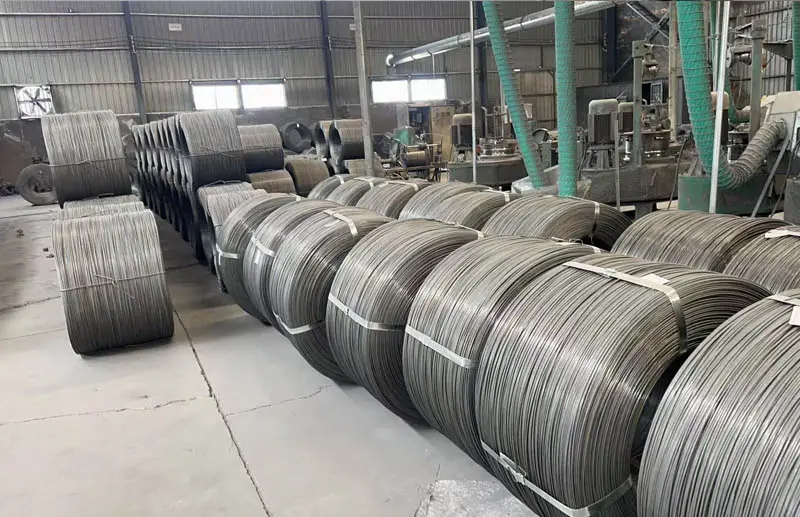
Consistent coils for truss girder deck manufacturers using high-speed automated resistance welding lines.
Comprehensive Steel Wire Solutions for Every Part of the Truss Deck
A truss girder deck production line uses different wire positions with different performance requirements. Top chord, bottom chord, and web member wires must work together under forming, feeding, and automated resistance welding conditions. YaDa supplies steel wire for truss deck, including ribbed cold drawn steel wire and plain cold drawn steel wire, to help manufacturers reduce feeding jams, bending cracks, and unstable welded joints.
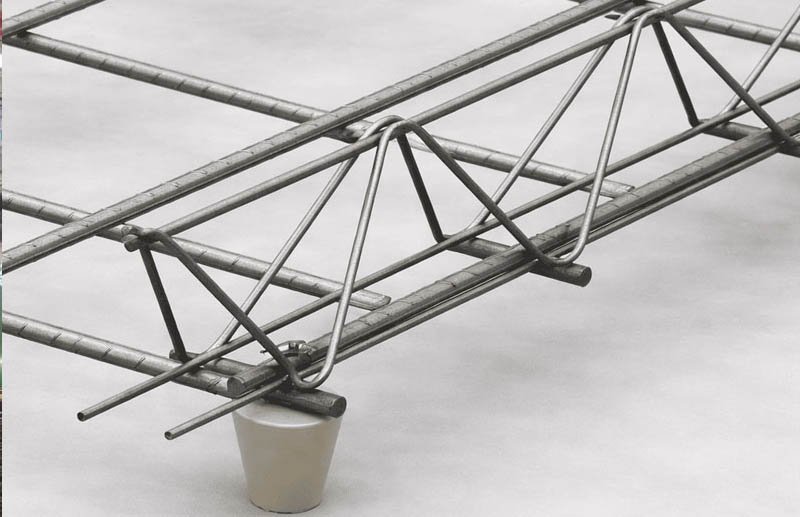
Truss Girder Deck Wire Component Reference
Top Chord Wire High-tensile ribbed steel wire for upper load-bearing reinforcement.
Bottom Chord Wire Ribbed cold drawn wire designed for concrete bonding and structural stability.
Web Member Wire Ductile plain or lightly ribbed wire for continuous wave bending.
The image is displayed as a clean product reference only. No floating cards or overlay labels are placed on the image, avoiding visual obstruction on mobile screens.
Steel Wire for Top and Bottom Chord
The chords bear the primary load of the concrete slab. YaDa supplies high-tensile, heavily ribbed cold drawn steel wire, commonly in 6mm to 12mm diameter ranges. The distinct rib pattern maximizes mechanical anchorage and bonding strength with concrete, helping truss deck manufacturers produce safer and more stable floor reinforcement systems.
Cold Drawn Wire for Web Members
Web members, also called diagonal wires, require exceptional bendability and clean surfaces. YaDa supplies highly ductile plain cold drawn steel wire or lightly ribbed wire, commonly in 4mm to 6mm diameter ranges. The wire is designed to withstand continuous wave-bending processes and rapid intersection resistance welding without snapping, brittle cracking, or unstable joint formation.
Steel Wire for Steel Truss Deck Production Line Reliability
In high-speed steel truss deck manufacturing, wire consistency directly affects machine uptime. Stable diameter tolerance supports smooth feeding through straightening rollers. Balanced tensile strength and elongation reduce bending breakage. A clean wire surface supports reliable automated resistance welding performance and helps reduce welding defects and copper electrode wear.
Typical Wire Selection for Truss Girder Deck
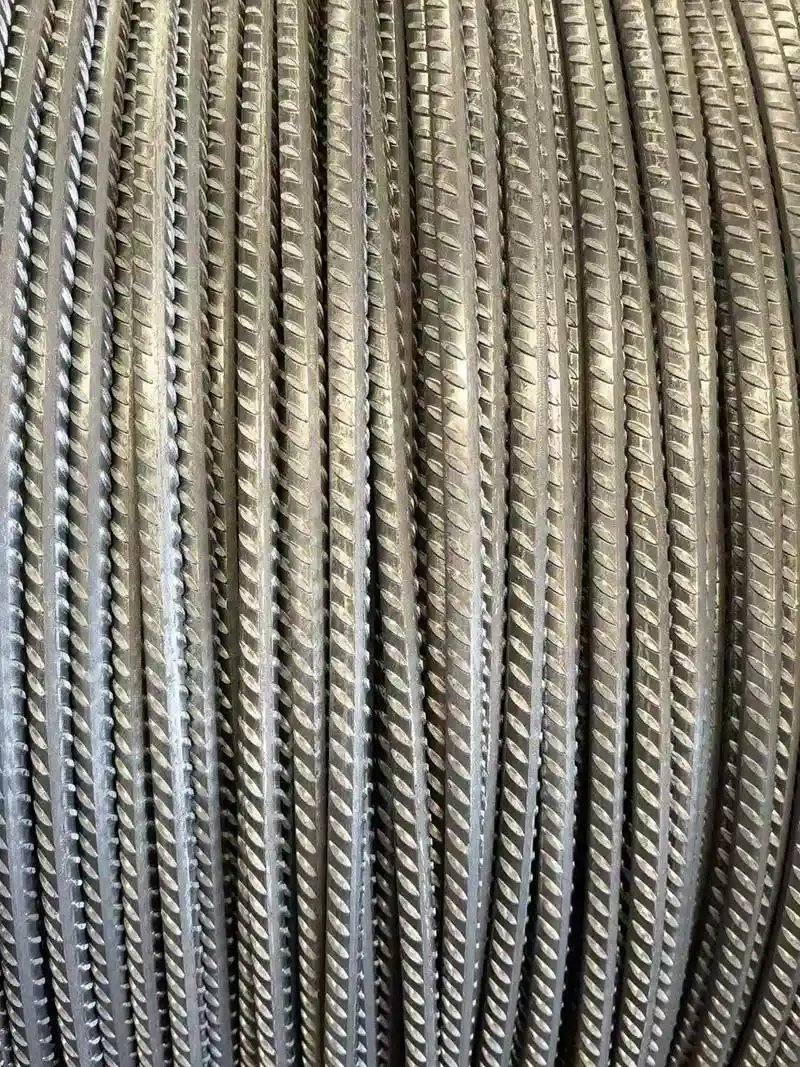
Precision Ribbed Steel Wire for Truss Deck Concrete Adhesion
Not all ribbed wire is created equal. For steel wire for truss deck, rib depth, rib spacing, surface cleanliness, and tensile consistency directly influence concrete adhesion and automated production stability. YaDa uses controlled multi-pass cold drawing and rib-forming processes to produce ribbed cold drawn steel wire for truss deck manufacturing with uniform geometry from coil to coil.
Uniform Ribbed Steel Wire Profile
Consistent ribs provide reliable mechanical anchorage between the steel truss framework and poured concrete, helping improve load transfer and long-term slab performance.
Stable Production Line Feeding
Controlled diameter and roundness help reduce feeding jams during straightening, positioning, forming, and high-speed resistance welding applications.
Project-Ready Specification Control
YaDa can supply ribbed wire according to required diameter, tensile strength, elongation, coil weight, and applicable construction specification needs.
Batch-to-Batch Consistency
For large truss deck factories, repeatable wire properties are essential. YaDa focuses on stable coils that perform consistently across long production runs.
Designed to Support Global Truss Deck Requirements
Our ribbed steel wire can be produced to align with customer drawings, mechanical property targets, and project standards such as BS4482 or AS/NZS 4671 when specified by the buyer. Final compliance depends on the confirmed technical agreement and inspection requirements.
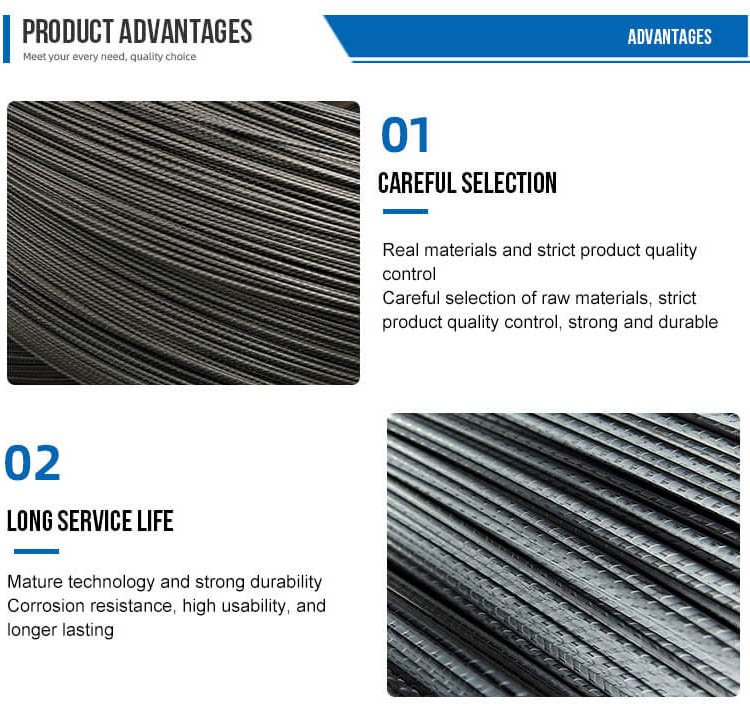
Why Rib Geometry Matters
Deep and uniform ribs increase the contact area and mechanical lock with concrete. For steel truss deck production, this helps the finished girder deck achieve stronger composite action while maintaining stable feeding through automated equipment.
Clean Surface Engineered for High-Speed Resistance Welding Applications
In truss girder deck production, surface condition is not a cosmetic detail. It directly affects current stability, electrode life, weld consistency, and line uptime. As a dedicated steel wire manufacturer, YaDa supplies structural steel wire used as the workpiece in automated resistance welding applications—not as a filler consumable.
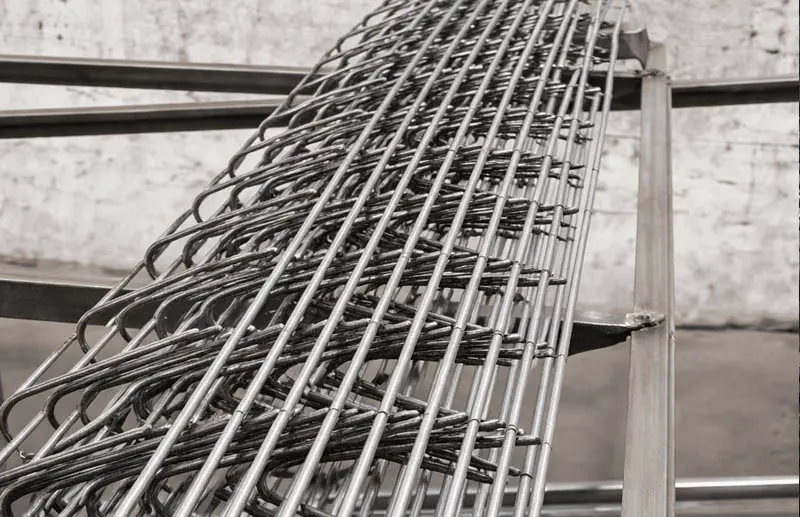
Clean, consistent wire surface helps automated truss deck welding equipment maintain stable contact, reduce electrode contamination, and produce repeatable joints at high production speed.
Why Surface Cleanliness Matters for Steel Wire for Truss Deck Welding
Heavy drawing soap, oxidation, rust, or loose scale can cause unstable electrical contact during automated resistance welding. The result may include excess sparks, black smoke, faster copper electrode wear, weak fusion points, and frequent machine adjustment.
Mechanical Descaling Before Cold Drawing
YaDa controls the wire surface from raw material preparation. Strict mechanical descaling helps remove oxide scale before drawing, creating a cleaner base for cold drawn steel wire for steel truss deck manufacturing.
Bright Drawing for Clean Surface Steel Wire
Through controlled drawing passes and surface management, our wire is supplied with a clean, consistent finish. This helps reduce contamination at the welding point and supports stable nugget formation in truss girder intersections.
Batch Surface Inspection for Resistance Welding Steel Wire
Each batch is checked for diameter, surface condition, and mechanical performance. For automated truss deck production, this repeatability helps reduce feeding interruption, weld defects, and unnecessary electrode replacement.
From Cleaner Wire to More Stable Truss Deck Production
The practical target is simple: keep your automatic truss girder welding line running with fewer stoppages, cleaner weld zones, and more predictable production quality.
Factory-Direct Capacity and Tangle-Free Wire Coils
Truss deck machines consume wire rapidly. For high-speed automated truss girder deck production, you need more than a low price—you need a steel wire manufacturer with stable capacity, repeatable coil quality, and export-ready packaging. YaDa operates 10 modern steel wire production lines to support continuous bulk supply of steel wire for truss deck, ribbed cold drawn wire for truss deck manufacturing, and plain cold drawn wire for web members.
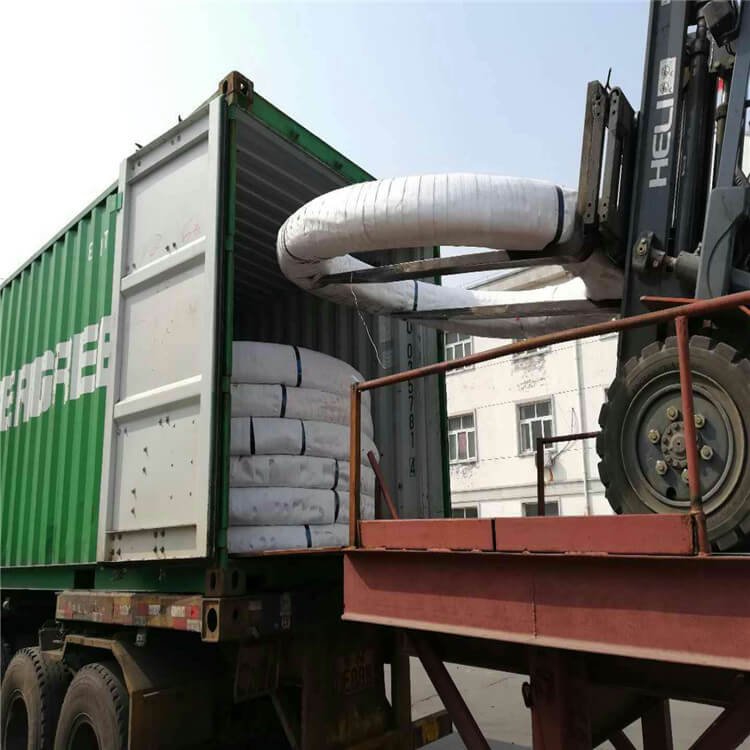
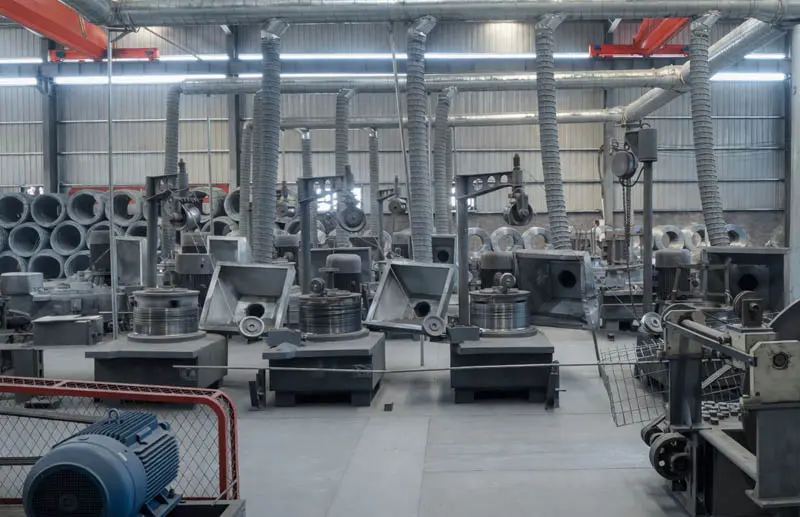
Export-ready coil handling: tightly strapped coils, controlled winding, and protective packaging help keep steel wire stable during storage, sea freight, and high-speed feeding on your production floor.
Capacity for Continuous Truss Deck Production
A truss girder deck line can consume steel wire quickly, especially when producing multiple slab specifications. YaDa’s 10 high-speed drawing lines support stable production planning for cold drawn steel wire for steel truss deck manufacturing, helping importers and deck factories reduce the risk of material shortage.
Tangle-Free Spooling for Smooth Unwinding
We provide heavy-weight wire coils, typically 1 to 2 tons per coil, tightly strapped and evenly wound. Stable coil geometry helps the wire unspool smoothly into straightening rollers and feeding systems, reducing line stops caused by tangling, loose winding, or unstable pay-off.
Export Packaging to Prevent Maritime Rust
For overseas shipments, coils can be packed with protective wrapping and VCI materials according to order requirements. This helps reduce corrosion risk during sea freight and keeps steel wire for truss girder deck ready for production after arrival.
How YaDa Keeps Wire Coils Production-Line Friendly
Consistent packaging is part of manufacturing quality. From final inspection to coil strapping and container loading, every step is arranged to help your automated truss deck welding equipment run with fewer interruptions.
For Large-Volume Buyers: Stable Supply Matters More Than One-Time Price
If your truss deck production line stops, the real loss is downtime, labor waiting, schedule delay, and wasted setup time. YaDa focuses on stable factory-direct supply, predictable coil packaging, and repeatable steel wire performance for long-term procurement programs.