Do You Sell Consumable Filler Wire Such as MIG or TIG Wire?
If you searched for MIG wire, TIG filler rod, or welding consumable wire and landed on a cold drawn steel wire manufacturer’s website, you are not alone. This is one of the most common questions we receive from procurement teams, fabrication shops, and junior engineers comparing wire-related suppliers.
Short Answer: We Do Not Sell MIG or TIG Consumable Filler Wire
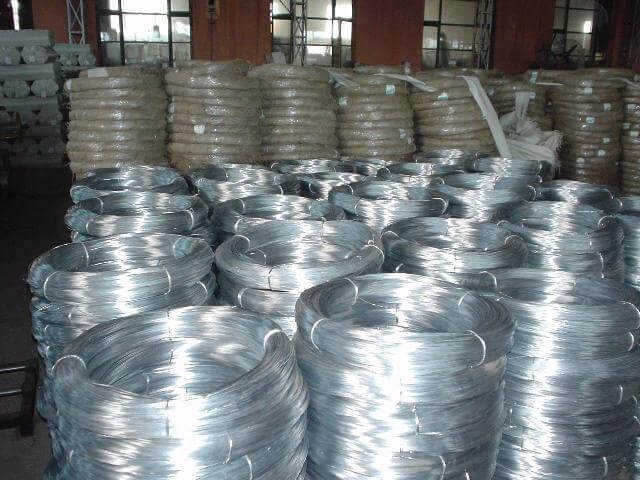
No, YADA Steel does not supply consumable filler wire such as MIG welding wire, TIG filler rod, flux-cored wire, or welding electrodes. We manufacture and export cold drawn steel bars and cold drawn steel wire used as precision base materials in fabrication, machining, reinforcement, welded mesh, truss deck, fastener, and mechanical component production. A simple way to understand the difference is this: our cold drawn bars and wires are the “bricks” of your fabricated structure, while MIG or TIG filler wire is the “mortar” used to join those bricks together. Although we are not a welding consumables supplier, the quality of our base material directly affects whether your welding process runs smoothly, because stable diameter, clean surface condition, consistent tensile strength, and controlled chemical composition help fabricators achieve cleaner welds, fewer defects, more predictable machine settings, and stronger finished assemblies.
Why People Ask This Question
The confusion is understandable. The word “wire” appears in both product categories, and in purchasing systems the names can look similar: steel wire, welding wire, cold drawn wire, wire rod, filler wire, resistance welding wire, mesh welding wire. A buyer may see “cold drawn steel wire manufacturer” and assume the supplier also sells MIG or TIG consumables. In reality, these products belong to different parts of the metalworking supply chain.
MIG and TIG wires are designed to melt into a weld pool. Their chemistry, surface coating, packaging, spool control, arc stability, shielding gas compatibility, and feedability are all optimized for welding deposition. Cold drawn steel wire, on the other hand, is produced by drawing steel through dies to achieve a required diameter, surface finish, strength, and dimensional accuracy. It is often used to manufacture welded mesh, reinforcement cages, truss decks, wire forms, hardware parts, or semi-finished components.
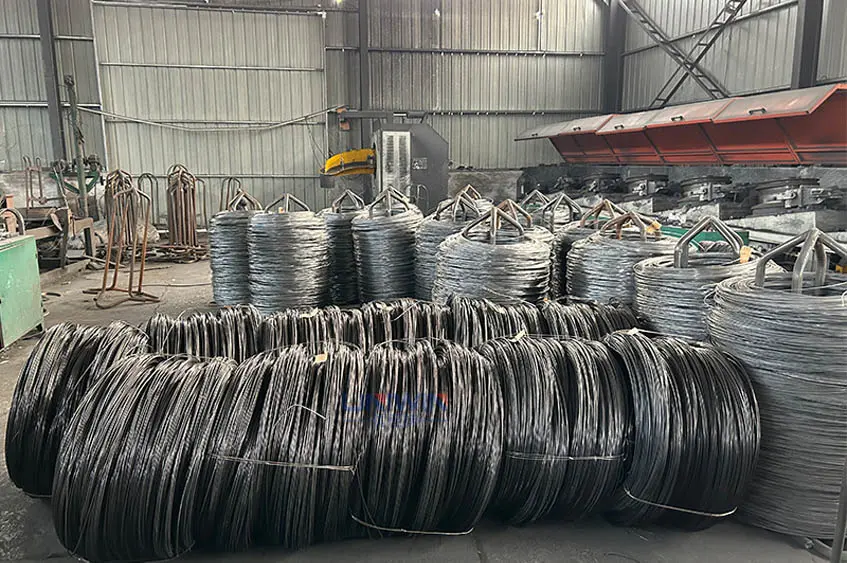
The “Bricks vs. Mortar” Difference
In fabrication, the base metal and the filler metal work together, but they are not the same product. If you are welding a frame, mesh panel, machine guard, reinforcement structure, bracket, fastener assembly, or mechanical component, the steel bars or wires being joined are the base material. The filler wire, when used, is the consumable material added to create the joint.
Think of cold drawn bars and wires as the bricks. Think of MIG or TIG filler wire as the mortar. Good mortar cannot compensate for weak, inconsistent, contaminated, or dimensionally unstable bricks.
This is why a “wrong” supplier search can still lead to the right technical conversation. If your workshop is struggling with inconsistent weld quality, excessive spatter, poor fit-up, variable penetration, uneven mesh welding strength, or frequent machine recalibration, the problem may not always be the welding consumable. It may begin with the base material.
For general reference on welding processes and terminology, buyers may review the American Welding Society’s educational resources on welding standards and training, or consult process descriptions from TWI technical knowledge articles. These resources are useful when distinguishing welding consumables from structural or semi-finished steel materials.
Why Base Material Quality Matters to Weld Performance
A welder wants predictability. A production manager wants repeatability. A procurement manager wants fewer complaints after delivery. Cold drawn steel supports these goals because it is made to tighter control than ordinary hot rolled or unprocessed wire in many applications. When the base material is stable, the welding process becomes easier to control.
Tight Dimensional Tolerance
Stable diameter and profile help improve fit-up, automated feeding, mesh spacing, fixture positioning, and contact consistency in resistance welding.
Clean, Controlled Surface
A smoother, cleaner surface can reduce unexpected welding behavior caused by heavy scale, rust, oil, or inconsistent surface condition.
Consistent Mechanical Properties
Controlled tensile strength and elongation help reduce variability in bending, forming, mesh welding, and downstream fabrication.
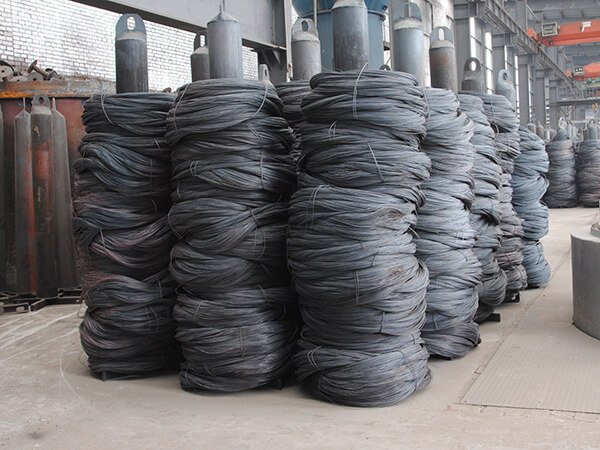
In automated welded mesh or truss deck production, for example, inconsistent wire diameter can affect contact pressure and heat generation. Surface contamination may reduce weld consistency. Variable tensile strength can cause irregular straightening, feeding, or forming behavior. The welding machine may be blamed first, but the material should be checked early in any root-cause investigation.
For broader technical reading on metals and weldability, references such as ASM International materials resources, ISO standards information, and ASTM material standards can help engineers align purchase specifications with welding and fabrication requirements.
MIG/TIG Filler Wire vs. Cold Drawn Steel Wire
The table below gives a practical comparison for buyers who need to classify the product correctly before sending an inquiry.
| Item | MIG / TIG Filler Wire | YADA Cold Drawn Steel Wire |
|---|---|---|
| Main function | Consumable filler metal for arc welding | Base material for fabrication, reinforcement, mesh, and components |
| Used by | Welders, welding shops, maintenance teams | Mesh plants, construction material producers, OEM fabricators, machinery manufacturers |
| Key requirements | Arc stability, feedability, chemical match, spool packaging | Diameter tolerance, surface condition, tensile strength, straightness, grade consistency |
| Typical forms | Spools, rods, coils for welding machines | Coils, straightened wire, cold drawn wire, ribbed wire, black annealed wire |
| Do we supply it? | No | Yes |

Where Our Wire Fits in a Welding-Related Production Line
Many of our customers do weld our materials, especially in welded mesh, truss deck, reinforcement cage, and industrial component production. That does not make our wire a filler wire. It means our wire is the material being welded. In resistance welding, for instance, no separate MIG or TIG filler wire is added. The joint is formed by heat and pressure at the contact points between steel wires.
This is why we often discuss weldability, even though we are not selling arc welding consumables. For customers running high-speed mesh welding lines, stable base wire helps reduce downtime, rejected panels, inconsistent weld nugget formation, and production stoppages caused by material variation.
If your project involves welded mesh production, review our application page for steel wire for welded mesh. If your line uses automated spot or resistance welding, you may also find our page on resistance welding steel wire useful.
How to Send the Right Inquiry
If you actually need MIG or TIG filler wire, you should contact a dedicated welding consumables supplier. They will ask about welding process, shielding gas, base metal grade, wire diameter, current range, welding position, deposition rate, and certification requirements.
If you need cold drawn steel wire or cold drawn steel bar that will later be welded, formed, machined, or assembled, then YADA Steel can support your project. To avoid delay, include the following details in your inquiry:
- Material grade: low carbon steel, medium carbon steel, alloy steel, or required equivalent standard.
- Wire or bar size: diameter, width, thickness, shape, tolerance, and delivery form.
- Application: welded mesh, truss deck, reinforcement cage, CNC machining, fasteners, shafts, mechanical parts, or custom profiles.
- Mechanical properties: tensile strength, yield strength, elongation, hardness, or bendability requirements.
- Surface condition: bright drawn, black annealed, ribbed, polished, peeled, ground, or other finishing requirements.
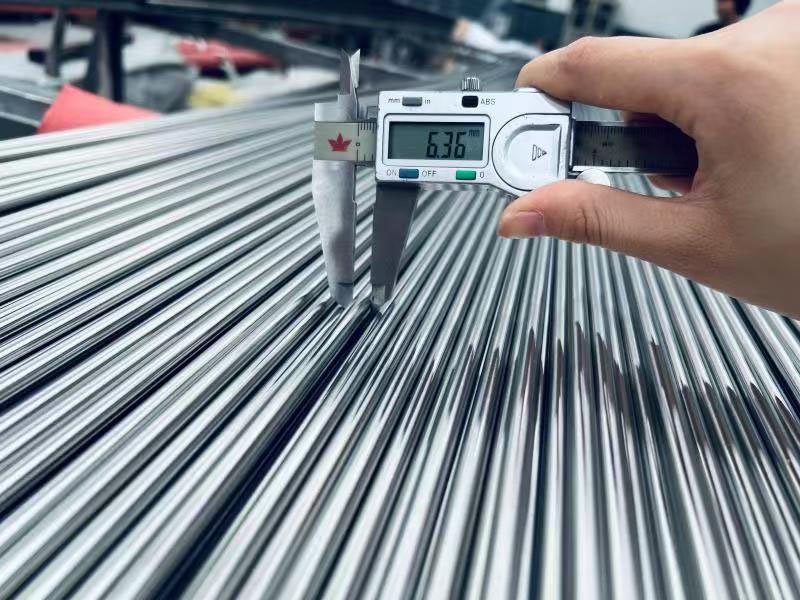
For buyers sourcing globally, it is also worth checking packaging and shipping conditions. Cold drawn wire and bar must be protected from moisture, mechanical damage, and mixed-batch confusion. Our export packing is designed for long-distance shipment and easier identification at the customer’s warehouse.
Looking for Better Welded Results? Start with Better Base Material.
We do not sell MIG or TIG consumables, but we do supply cold drawn steel wire and bars that help fabricators build more predictable, cleaner, and stronger welded products.
Elementor popup form ID: 402
Recommended YADA Steel Product Pages
If your real requirement is not filler wire but structural wire or precision steel material for a welded product, these internal pages may be the right next step:
Cold Drawn Steel Wire
For welded mesh, truss deck, reinforcement cage, general forming, and industrial applications.
Cold Drawn Steel Bar
Precision round, square, flat, hexagonal, and custom profiles for machining and fabrication.
Ribbed Cold Drawn Steel Wire
Designed for reinforcement, welded mesh, and truss deck production where bond strength matters.
Contact Our Technical Team
Send drawings, grade requirements, tolerance, and application details for a practical material recommendation.
FAQ
Do you sell MIG welding wire?
No. We do not sell MIG welding wire. MIG wire is a consumable filler metal for arc welding. YADA Steel supplies cold drawn steel wire and bars used as base materials in fabrication, welded mesh, reinforcement, machining, and mechanical component production.
Do you sell TIG filler rods?
No. TIG filler rods are welding consumables. Our products are precision steel materials such as cold drawn round bars, square bars, flat bars, hex bars, custom profiles, plain cold drawn wire, ribbed wire, black annealed wire, and related steel wire products.
Can your cold drawn steel wire be welded?
In many applications, yes. Our cold drawn steel wire is commonly used in welded mesh, truss deck, reinforcement cage, and resistance welding applications. Weldability depends on steel grade, carbon content, surface condition, mechanical properties, and the welding process used by the customer.
Why does base material quality affect welding?
Welding consistency depends not only on the machine and consumable but also on the base material. Stable diameter, clean surface, consistent tensile strength, and controlled chemistry help reduce weld variation, feeding problems, fit-up issues, and unexpected production defects.
What should I send if I need cold drawn wire for a welded product?
Please send the steel grade, diameter, tolerance, tensile strength, surface condition, coil weight or packing requirement, annual usage, and final application. If possible, include photos, drawings, or the welding line type so we can recommend a suitable material specification.