What Diameter Range Do You Supply for Welded Mesh Steel Wire?
A practical answer for procurement managers, mesh plant engineers, and distributors who need more than a catalogue number: diameter range, application fit, weldability, tensile control, coating options, and export supply considerations.
Quick Answer: Our Welded Mesh Steel Wire Diameter Range
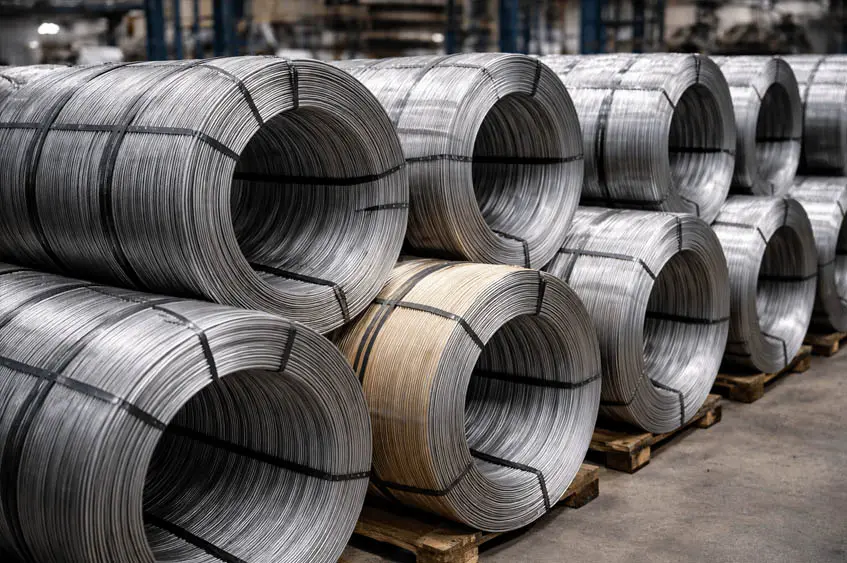
We normally supply welded mesh steel wire from 2.0mm to 12.0mm in diameter, covering light-duty fencing mesh, general construction mesh, reinforcement mesh, industrial mesh panels, gabion mesh, and heavy-duty welded reinforcement applications. Within this range, both plain cold drawn steel wire and ribbed cold drawn steel wire can be produced according to your mesh opening, welding equipment, tensile strength requirement, surface condition, coating method, coil weight, and packing standard. For projects requiring non-standard sizes, we can also discuss customized diameters, tolerances, mechanical properties, and material grades based on your drawings, regional standards, or production line requirements.
The short answer is useful, but for a professional buyer the more important question is whether the diameter matches the end use. A 3.0mm wire may be suitable for garden panels or light fence mesh, while a 6.0mm or 8.0mm wire may be selected for concrete reinforcement mesh, and 10.0mm to 12.0mm wire is usually reserved for heavier structural or industrial mesh panels. Diameter affects mesh weight, welding current, panel rigidity, load capacity, transport cost, and final market acceptance. That is why we treat diameter selection as an engineering decision rather than only a stock list.
Diameter Range by Typical Welded Mesh Application
In welded mesh manufacturing, wire diameter must be selected together with mesh spacing, panel size, steel grade, weld strength, and the expected service environment. The table below gives a practical reference for common markets. Actual selection should always follow the buyer’s drawing, national standard, or project specification.
| Wire Diameter | Common Mesh Type | Typical Applications | Buyer Notes |
|---|---|---|---|
| 2.0mm – 4.0mm | Light-duty welded mesh | Garden mesh, poultry mesh, light residential fencing, small animal cages, partition panels | Cost-effective; surface finish and consistent diameter are important for smooth welding. |
| 4.0mm – 8.0mm | Medium-duty welded mesh | Construction mesh, reinforcement panels, security fencing, shelving mesh, gabion panels | Most popular range for high-volume mesh plants; balance of strength, weldability, and freight efficiency. |
| 8.0mm – 12.0mm | Heavy-duty reinforcement mesh | Industrial flooring, precast concrete elements, infrastructure reinforcement, heavy fence panels | Requires stable tensile strength, accurate straightness, and reliable weld performance. |
For North American buyers, welded reinforcement wire is often evaluated with reference to ASTM terminology and wire area designations. For example, many concrete reinforcement projects refer to welded wire reinforcement by wire size, spacing, and sheet configuration rather than diameter alone. You can review the scope of welded wire reinforcement standards from ASTM A1064/A1064M. For European or international projects, buyers may also check reinforcement and concrete design references such as Eurocode 2 concrete structure guidance. These standards help engineers define the required mechanical performance, but a reliable wire supplier must still control the actual diameter, tensile strength, surface cleanliness, and welding behavior during production.
Standard Range Is Only the Starting Point: Custom Diameter Support
Many welded mesh factories do not simply purchase “wire.” They purchase stable input material for a production line. If your automatic mesh welding machine is designed around a special diameter, special spacing, or special coil weight, a standard catalogue range may not be enough. We can discuss custom production for diameter, tolerance, tensile strength, elongation, surface condition, coil weight, and packaging method.
Plain Cold Drawn Wire
Suitable for general welded mesh, fencing panels, shelving mesh, construction mesh, and automatic resistance welding applications where dimensional stability and clean surface are key.
View plain cold drawn steel wireRibbed Cold Drawn Wire
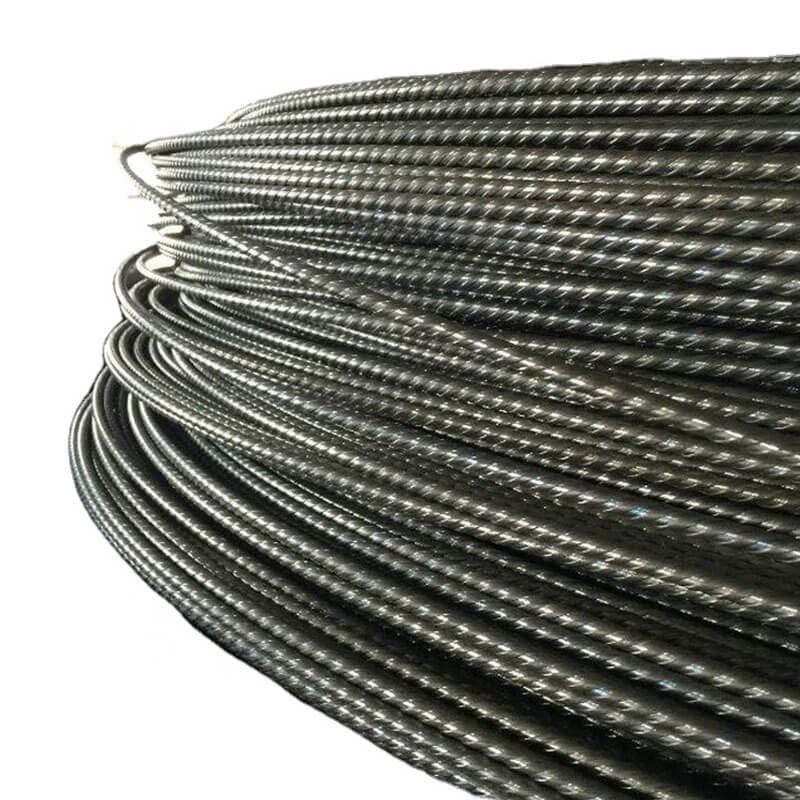
Used when better mechanical anchorage is needed, especially for concrete reinforcement mesh, truss deck mesh, reinforcement cages, and infrastructure products.
View ribbed cold drawn steel wire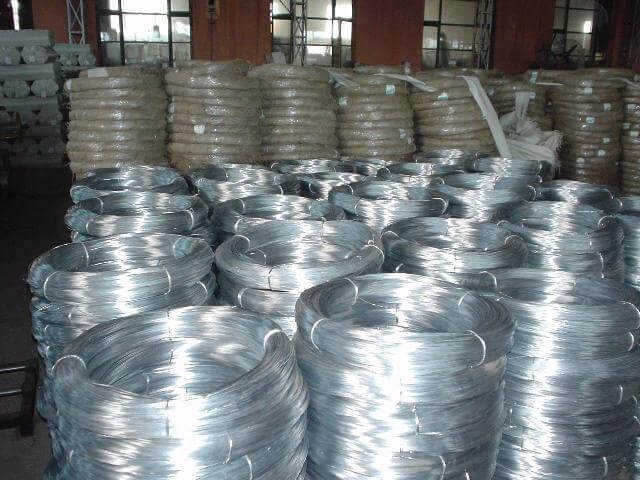
In practical purchasing, the best inquiry is not only “Can you supply 5mm wire?” A better inquiry includes: target diameter and tolerance, coil weight, tensile strength range, steel grade, mesh application, welding machine type, final coating process, destination port, and annual demand. With this information, our engineering and sales team can recommend a wire specification that reduces weld defects, improves line efficiency, and avoids unnecessary over-specification.
Diameter Is Important, But It Is Not the Only Specification
Professional buyers usually evaluate welded mesh steel wire as a full technical package. A stable 6.0mm wire can still fail in production if the tensile strength is unsuitable, the surface is contaminated, the coil payoff is unstable, or the wire is too hard for the welding parameters. The following factors should be confirmed before placing a bulk order.
Material Grade
Low-carbon steel such as Q195 and Q235 is widely used for mesh wire. Other grades can be discussed according to strength and forming needs.
Tensile Strength
A controlled tensile range helps maintain weld quality and panel flatness during automatic mesh production.
Surface Condition
Clean and consistent wire surfaces support better electrical contact during resistance welding.
Coating Options
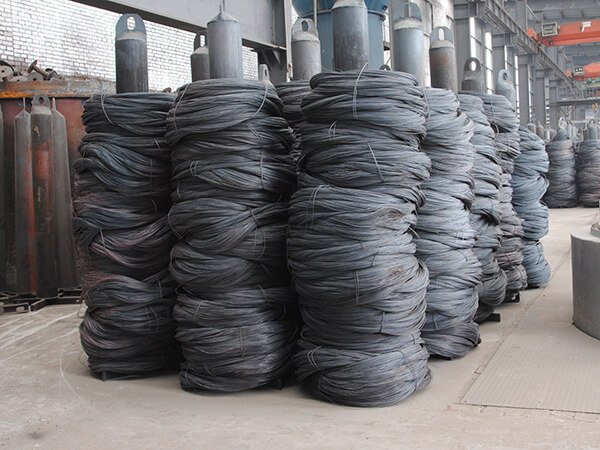
Wire may be supplied black, bright, galvanized, or prepared for post-welding galvanizing or PVC coating, depending on final use.
Coil Package
Coil weight, inner diameter, outer diameter, and payoff stability directly affect automated welding line efficiency.
Export Logistics
Rust protection, seaworthy packaging, container loading, and label control are critical for international shipments.
If your project involves galvanized welded mesh, it is also worth understanding the difference between pre-galvanized wire and post-weld hot-dip galvanizing. General information on zinc coating and corrosion protection can be found through the American Galvanizers Association. For welding process fundamentals, the American Welding Society is also a useful external reference. These resources help buyers understand why surface preparation, current control, and material consistency all influence welded mesh quality.
How We Support Stable Welded Mesh Production
For mesh manufacturers, one of the most expensive problems is not the wire price itself. It is production interruption: unstable welding, broken wires, inconsistent panel dimensions, rejected mesh, or time lost adjusting welding parameters. Our supply approach focuses on reducing these risks before shipment.
A good welded mesh wire should run smoothly through the welding line, maintain stable diameter, accept consistent weld nuggets, and arrive in packaging that protects both surface and coil shape during long-distance transport.
Production and Inspection Focus
- Raw material inspection before wire drawing.
- Diameter monitoring during production.
- Tensile strength checks according to order specification.
- Surface condition control for welding applications.
- Coil packing designed for safe export shipment.
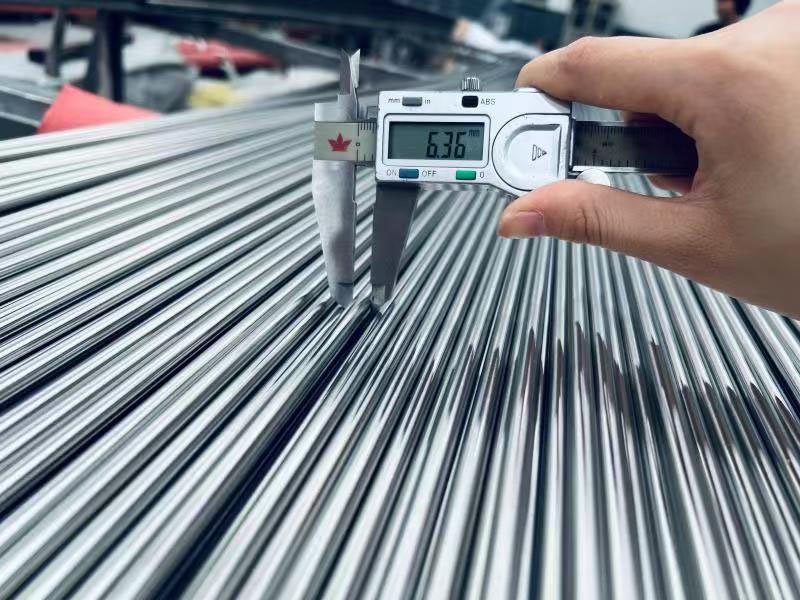
For international distributors, we can also support repeated order consistency. This matters when you supply mesh factories that expect the same running performance from shipment to shipment. If your market follows a specific local standard, please send the standard number, drawing, or previous supplier specification sheet. If you are still developing a new welded mesh product, our team can help evaluate a practical starting diameter range before sample production.
Need a Diameter Recommendation for Your Welded Mesh Line?
Send us your target wire diameter, mesh opening, panel size, tensile strength requirement, coating plan, and destination port. We will help you confirm whether standard 2.0mm–12.0mm wire is suitable or whether a custom solution is more efficient.
Recommended Internal Resources
FAQ: Welded Mesh Steel Wire Diameter
What is your standard diameter range for welded mesh steel wire?
Our common supply range is 2.0mm to 12.0mm. This covers light-duty mesh, construction mesh, reinforcement mesh, fencing panels, gabion mesh, and heavy-duty industrial mesh applications.
Can you supply custom wire diameters outside the standard range?
Yes. Custom diameters can be discussed based on order quantity, tolerance requirement, steel grade, tensile strength, and application. Please provide your drawing or technical specification for evaluation.
Which diameter is most common for welded reinforcement mesh?
Many welded reinforcement mesh products use wire between 4.0mm and 8.0mm, but the final choice depends on mesh opening, panel size, loading requirement, regional standard, and concrete design.
Do you supply both plain and ribbed wire for welded mesh?
Yes. Plain cold drawn wire is widely used for general welded mesh and fencing products, while ribbed cold drawn wire is commonly used when improved bonding with concrete is required.
What information should I provide for a quotation?
Please provide wire diameter, tolerance, tensile strength, steel grade, plain or ribbed surface, coil weight, coating requirement, monthly or annual quantity, destination port, and any standard or drawing you need us to follow.