Cold Drawn Steel Wire Technical Guide
Tianjin Yada Metal Business Co., Ltd.
What Makes Your Steel Wire Suitable for Automated Resistance Welding Machines?
For automated welding lines, the right wire is not simply “within specification.” It is the wire that feeds smoothly, welds consistently, protects electrodes, reduces scrap, and keeps the line running shift after shift.
Quick Answer
Steel wire is suitable for automated resistance welding machines when it combines stable diameter tolerance, consistent tensile strength, clean and conductive surface condition, controlled carbon chemistry, reliable straightness, low cast and helix variation, and tangle-free precision winding. In a high-speed welded mesh, truss deck, or reinforcement cage line, these factors directly determine whether the wire feeds without jamming, positions accurately under the electrodes, produces repeatable weld nuggets, reduces weld spatter, slows electrode wear, and minimizes rejected panels. A good resistance welding steel wire is therefore not judged only by its chemical composition or nominal diameter; it must be manufactured and packed as an automation-ready material, with controlled cold drawing, surface preparation, inspection, and payoff behavior that support continuous production and lower total cost of ownership.
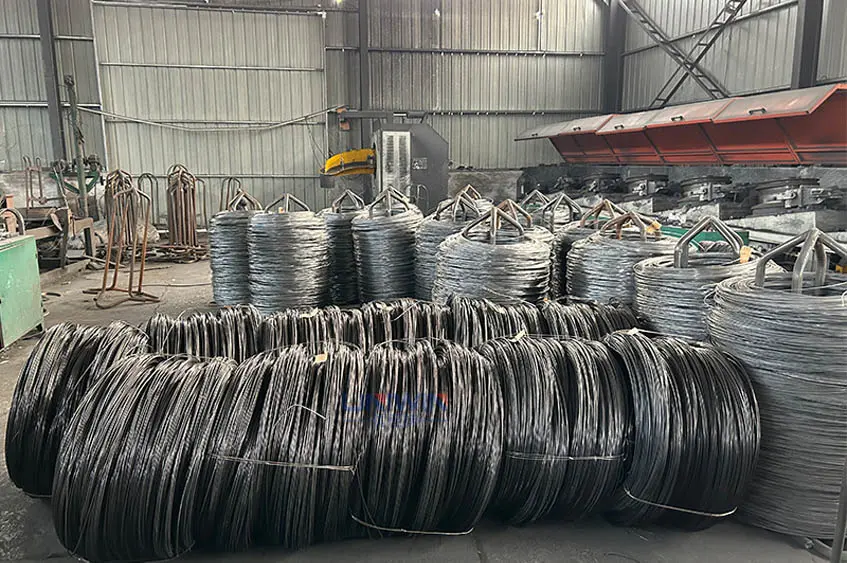
Automated Resistance Welding Does Not Forgive Unstable Wire
In manual welding, an operator can sometimes compensate for small material variations. In an automated resistance welding machine, the machine repeats the same motion thousands of times per hour. That is exactly why wire quality becomes critical. A slight ovality problem, inconsistent stiffness, poor surface cleanliness, or a badly wound coil may not look serious during incoming inspection, but it can stop a welding line in the middle of production.
For a production manager, every unexpected stop creates a chain reaction: operators wait, downstream processes lose rhythm, maintenance teams are called, electrodes may need dressing or replacement, and partially welded mesh panels are scrapped. For a quality engineer, unstable wire means variable weld nugget size, inconsistent pull strength, burn-through, weak joints, or visual defects. For purchasing teams, the lowest wire price can quickly become expensive when it causes line stoppage, rework, and missed delivery schedules.
This is why Yada approaches resistance welding steel wire as a production reliability product, not as a simple commodity. The wire must be designed for stable electrical contact, predictable mechanical behavior, and smooth payoff into automated feeding systems.
The Core Properties That Make Wire Welding-Line Ready
1. Tight and Stable Diameter Tolerance
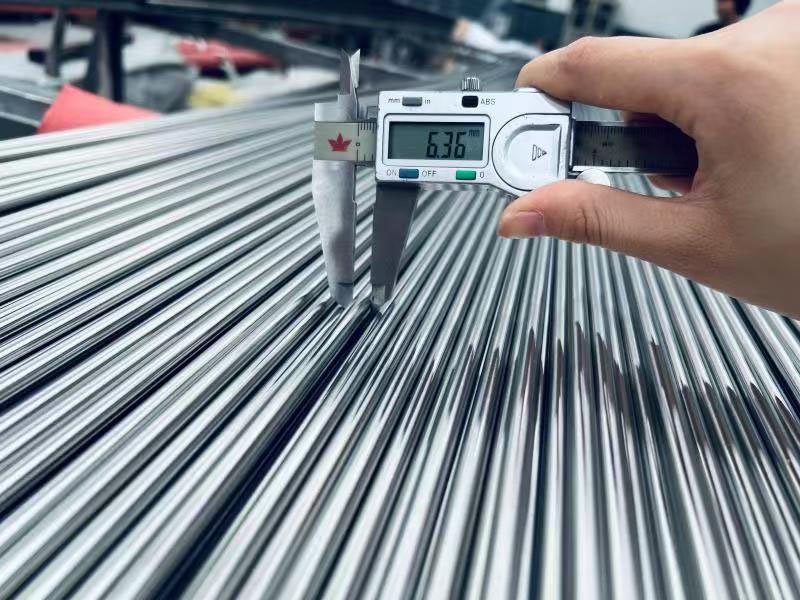
Diameter stability is the first defense against feeding problems. If wire diameter drifts, the feeder rollers may grip unevenly, straightening wheels may lose adjustment, and electrode contact pressure may change. For resistance welding, dimensional variation also affects electrical resistance and heat generation. Stable cold drawing control helps the machine maintain repeatable feeding and consistent weld formation.
2. Clean Surface for Conductive Welding Contact
Resistance welding depends on controlled electrical current passing through contact points. Rust, heavy scale, oil contamination, uneven lubricant residue, and dirty surfaces can disturb current flow. A clean, uniform surface supports reliable conductivity, reduces spatter, and helps protect electrodes from abnormal wear. For general resistance welding fundamentals, readers may refer to TWI’s explanation of resistance welding.
3. Consistent Tensile Strength and Ductility
Automated equipment expects wire to behave the same way at every forming, straightening, and welding station. If tensile strength fluctuates, the wire may spring back differently, bend inconsistently, or fail to sit correctly in fixtures before welding. Controlled drawing reduction and process monitoring help achieve the balance of strength and ductility needed for mesh, cage, and truss deck production.
4. Chemistry Suitable for Weldability
Carbon content and residual elements influence resistance welding behavior. The aim is not only strength, but stable weldability. For many welded mesh and reinforcement applications, low carbon cold drawn steel wire offers a practical combination of formability and welding performance. International buyers often compare material requirements with standards such as ASTM standards or regional reinforcement specifications before confirming supply.
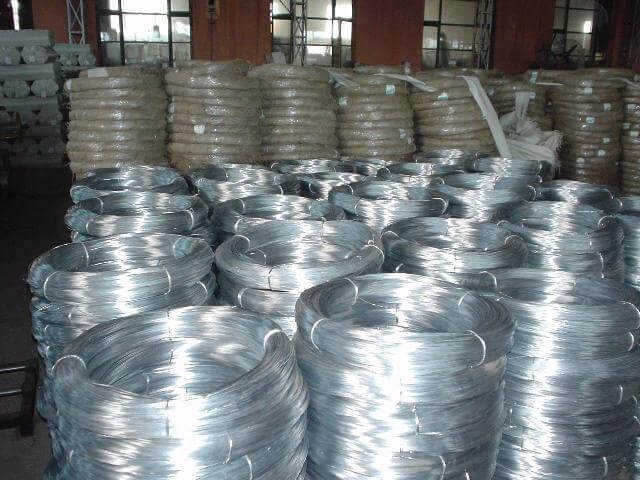
The Often-Ignored Factor: Cast, Helix, and Straightness
Many suppliers talk about diameter and tensile strength. Those are important, but they are not enough for automated welding lines. In real production, one of the most common causes of stoppage is poor payoff behavior. If wire comes off the coil with excessive cast or helix, it does not travel straight through guides, rollers, straighteners, and welding heads. It can whip, twist, jump out of the guide, or enter the welding zone at the wrong position.
Cast refers to the natural loop size of the wire after it is released from the coil. Helix refers to the vertical spiral tendency or twist. In automated equipment, both must be controlled. A wire with good diameter but poor cast and helix can still jam the feeder. A wire with stable straightness supports smooth feeding, accurate positioning, and more consistent contact between crossing wires during resistance welding.
In automation, the best wire is the wire your operators do not have to think about. It pays off cleanly, enters the machine predictably, welds consistently, and lets the production team focus on output instead of troubleshooting.
Yada controls cold drawing, straightening, and coil handling to reduce these risks. This is especially important for steel wire for welded mesh, steel wire for truss deck, and reinforcement cage production lines where continuous wire feeding determines total line efficiency.
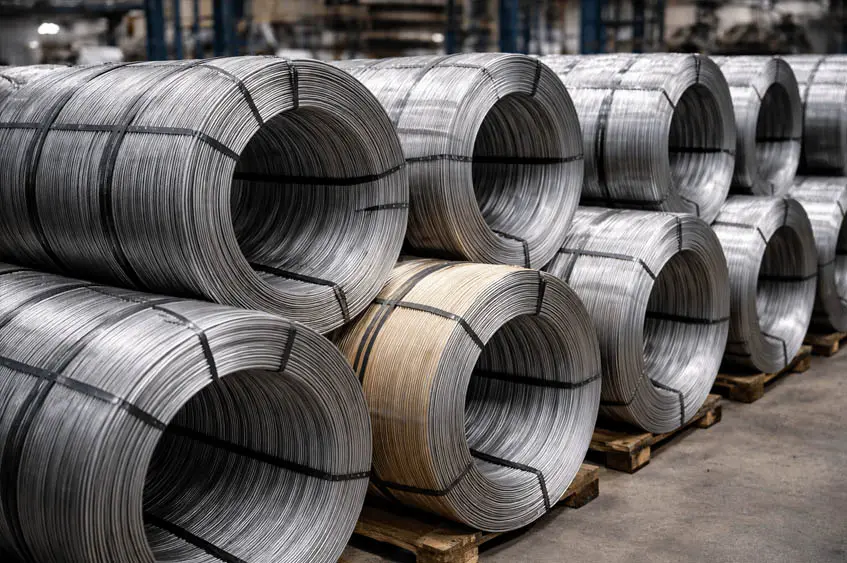
Surface Preparation: Small Details, Large Welding Impact
Surface condition is often underestimated until welding defects appear. During resistance welding, heat is generated at contact points according to current, resistance, and time. If the wire surface is inconsistent, the welding current does not behave consistently. Too much contamination can increase instability; uneven scale can create erratic contact; excessive lubricant residue may increase spatter or affect electrode life.
At Yada, wire surface preparation and process control are aligned with downstream automated welding needs. Depending on customer application, wire can be supplied with suitable surface finish, controlled cleanliness, and stable mechanical properties. For buyers evaluating welding quality systems, references such as American Welding Society resources and ISO standards information can help frame internal requirements.
The result is practical: fewer unexpected weld defects, less electrode intervention, and more predictable production rhythm. This matters especially when the machine is producing high volumes of welded reinforcement mesh, construction panels, or prefabricated cage components.
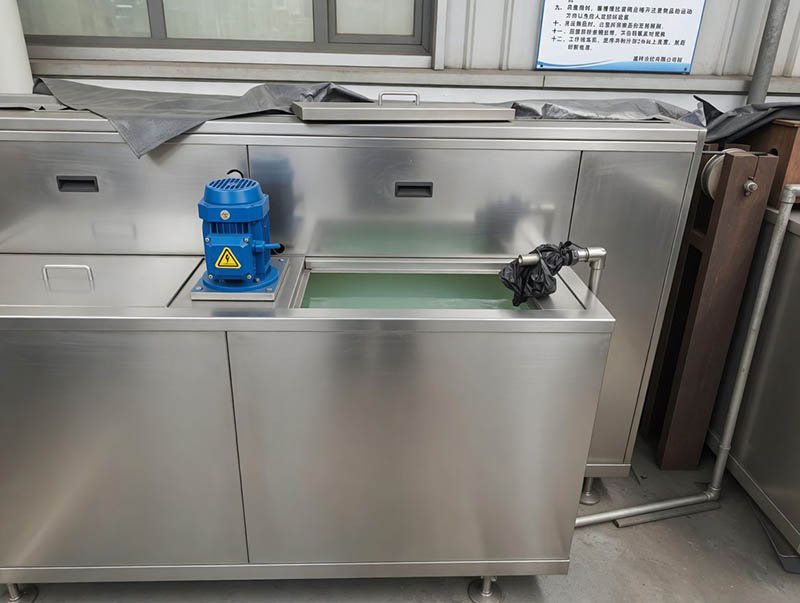
The Wire Is Only Half the Story: Packaging and Payoff Matter
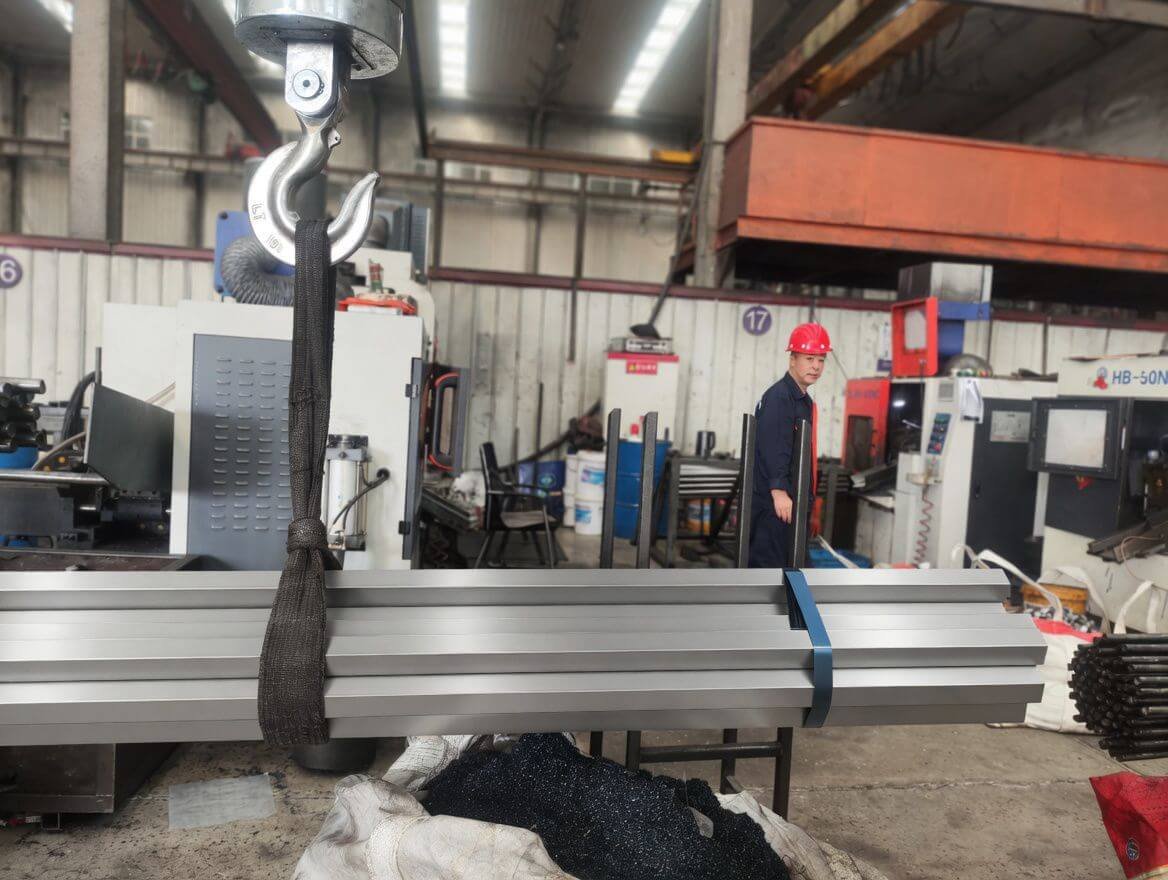
A technically good wire can still fail in automation if it is poorly wound. In high-speed resistance welding production, coil and spool quality are part of the product. Crossed layers, loose winding, trapped ends, damaged coils, or unstable packaging can create tangles and sudden feed interruptions. These failures are frustrating because they often happen after the wire has already passed incoming inspection.
Precision winding is therefore not cosmetic. It is a production safeguard. A well-wound coil allows smooth decoiling, stable tension, and reduced risk of knots or wire collapse. For export shipments, packaging must also protect coils during handling, container loading, sea transport, and warehouse storage. The goal is simple: when your operator opens the package and loads the coil, the wire should pay off smoothly without additional correction work.
For purchasing teams, this is where total cost of ownership becomes clear. A cheaper wire that causes several hours of machine downtime can become far more expensive than a stable, automation-ready wire. Industry discussions around manufacturing performance often use OEE as a key metric; for broader context, see OEE production efficiency principles.
A Practical Buying Checklist for Automated Welding Wire
If you are qualifying a new supplier for automated resistance welding steel wire, do not stop at price and basic specifications. Ask questions that reveal whether the wire is truly suitable for continuous production:
| Inspection Point | Why It Matters in Automation | What to Confirm |
|---|---|---|
| Diameter tolerance | Affects feeding, electrode contact, and weld heat consistency. | Actual tolerance range and inspection frequency. |
| Tensile strength | Influences straightening, forming, and springback behavior. | Batch test records and stability between coils. |
| Surface cleanliness | Supports stable electrical contact and reduces spatter. | Rust control, scale control, and surface finish expectations. |
| Cast and helix | Prevents guide misalignment, twisting, and feed jams. | Payoff behavior tested under realistic line conditions. |
| Coil winding | Reduces tangles and unplanned downtime. | Layer quality, coil security, and export protection. |
It is also useful to run trial coils under real production speed rather than only checking laboratory samples. Automated resistance welding machines often reveal problems that static inspection cannot catch. For example, a wire may pass diameter measurement but still create line stoppage because of poor helix control or unstable coil payoff.
Yada supplies plain cold drawn steel wire and ribbed cold drawn steel wire for welded mesh, truss deck, reinforcement cage, and other automated welding applications. Our objective is to help customers reduce interruptions, improve weld consistency, and simplify supplier qualification.
The Right Wire Supplier Should Help Protect Your Production Line
The real value of automated resistance welding wire is measured on the production floor. Does the machine run smoothly? Are weld nuggets stable? Are electrodes lasting longer? Are operators spending less time clearing jams? Are scrap rates lower? These questions matter more than a datasheet alone.
As a factory-direct steel wire supplier in China, Yada works with customers who need consistent wire for automated welding, welded reinforcement mesh, truss deck production, and construction reinforcement components. We support buyers with specification confirmation, sample trials, packaging discussions, and production feedback. If your current wire creates feeding problems, weld variation, or excessive downtime, the solution may require reviewing not only chemistry and diameter, but also cast, helix, surface condition, coil format, and shipping protection.
To explore suitable grades, diameters, coil weights, and packaging options, visit our cold drawn steel wire product center or contact our team with your machine type, target welding speed, wire diameter, tensile requirement, and current pain points.
Need Wire That Runs Better on Your Welding Line?
Send us your wire diameter, tensile range, coil format, machine speed, and current production issues. Our team will help you evaluate a practical wire solution for automated resistance welding.
FAQ: Steel Wire for Automated Resistance Welding Machines
What is the most important property of steel wire for automated resistance welding?
There is no single property. Stable diameter, clean surface, consistent tensile strength, weldable chemistry, straightness, cast and helix control, and precision winding must work together. In automation, poor payoff behavior can stop the line even when the wire’s basic chemical and mechanical specifications are acceptable.
Why does surface cleanliness affect resistance welding?
Resistance welding relies on controlled electrical contact. Rust, scale, oil, and inconsistent residues can disturb current flow, resulting in unstable heat generation, spatter, weak welds, or faster electrode wear. A clean and uniform wire surface helps produce repeatable weld nuggets.
What are cast and helix in steel wire?
Cast is the natural loop shape of wire after it is released from a coil. Helix is the vertical spiral or twist tendency. If cast and helix are not controlled, the wire may not feed straight through guides and rollers, causing jams, misalignment, or inaccurate welding positions.
Is cheaper steel wire suitable for automated welding if it meets diameter requirements?
Not always. Diameter is only one part of automation performance. A lower-priced wire may increase downtime, scrap, electrode maintenance, and operator intervention if it has unstable tensile strength, poor surface condition, excessive helix, or poor coil winding. Total cost of ownership is usually more important than unit price alone.
Can Yada supply wire for welded mesh and truss deck production lines?
Yes. Yada supplies cold drawn steel wire and ribbed cold drawn steel wire for welded mesh, truss deck, reinforcement cage, and other automated resistance welding applications. Specifications can be discussed based on your diameter, tensile strength, surface requirement, coil weight, and machine feeding conditions.